

954-707-6556
FREE ONSITE QUOTE!

4.9/ 5 Ratings based on 1698 reviews
GREAT SERVICE, GREAT REVIEWS!

Call This Thursday to Get
$35 OFF
of any service
954-707-6556
4.9/ 5 Ratings based on 1698 reviews
Call This Thursday to Get
of any service
 Mar 30,2026
 Most homeowners know they have a backflow preventer somewhere on their property without knowing much about what it does or how to tell when it stops doing it correctly. However, the consequences of a failure are serious enough to pay attention to. Trust Rooter works with homeowners who need answers about their backflow preventer. Read more to find out what the warning signs look like and what to do when something's wrong.
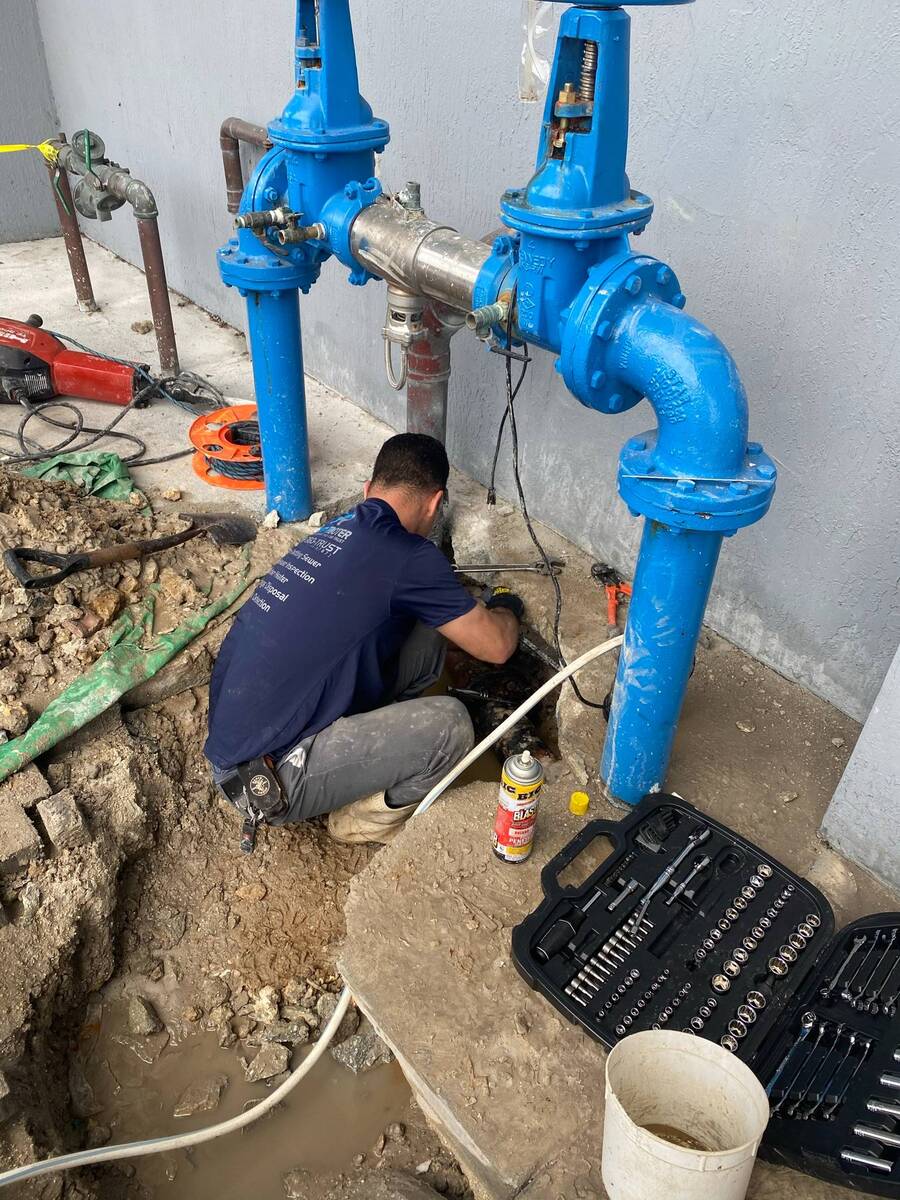
Your water supply runs in one direction by design. A backflow preventer is a mechanical device installed on your water line to enforce that direction. It uses a series of check valves to block water from reversing course and flowing back into the municipal supply or into your clean water lines from a contaminated source.
Without it, a drop in water pressure from a water main break, heavy municipal demand, or a nearby fire hydrant being opened can pull water backward through your pipes. The reversal drags whatever is sitting in irrigation lines, garden hoses, or chemical dispensers directly into your drinking water.
A dependable plumber installs these devices at critical connection points like irrigation systems, boiler lines, fire suppression systems, and anywhere a cross-connection exists between potable water and a potentially contaminated source. The device is simple in concept, but it has to hold up under pressure changes, temperature swings, and years of continuous use.
The most visible sign of a failing unit is water leaking from the relief valve or the body of the device. Some minor dripping after a pressure spike is normal, but water pooling around the device or dripping continuously means an internal seal has failed or a valve is stuck open. Other physical signs include:
Any of these symptoms warrants a call to a plumbing repair service in Wilton Manors. Ignoring a leaking relief valve wastes water and signals that the device is no longer maintaining the pressure differential it needs to block backflow. A plumber can test the pressure differential with a gauge kit and determine if the internal check valves are holding.
Water that smells like sulfur, chlorine, or something chemical is the most direct sign that contamination has entered your supply lines. Irrigation systems are a common source because they pull from the same water line that feeds your faucets. If the backflow preventer between your irrigation system and your indoor supply fails, fertilizer residue, pesticides, or soil bacteria can enter your drinking water.
Discoloration is another indicator. Brown or yellow water at the tap can mean sediment from outside the system has reversed into your lines. Cloudy water that doesn't clear after running the tap for a minute or two deserves the same attention. These are signs of cross-contamination that a backflow preventer repair may resolve, but that also require a water test to confirm the source.
Don't assume discolored water is just sediment from aging pipes. If the discoloration appears after irrigation runs or after a nearby pressure drop event, backflow is a reasonable explanation. A plumbing service can include a device inspection and a water quality test at the same time.
Wear is the most common cause. The rubber seals and springs inside the check valves degrade with age, especially in climates with hard water or wide temperature swings. Mineral scale builds up on the valve seats and prevents them from closing completely. Once a valve can't close fully, the pressure differential the device depends on disappears.
Freezing is a serious risk in colder climates. A backflow preventer installed in an exposed location without insulation can crack during a hard freeze, which destroys the housing and renders the device useless. A plumber will typically recommend insulating outdoor units before winter or installing a freeze-resistant enclosure.
Debris is another factor. Particles from aging pipes or a deteriorating water main can lodge in the check valves and hold them open. That's why backflow preventer repair sometimes involves disassembly and cleaning rather than full replacement, but only if the internal components are otherwise intact. If your device is more than ten years old and has internal damage, it's usually more cost-effective to replace it than to rebuild it.
Most municipalities require annual testing of backflow prevention devices, particularly on commercial properties and any residential property with an irrigation system connected to the municipal supply. The test measures whether the check valves hold their pressure differential within the required threshold.
Annual testing is the most reliable way to catch a device that's beginning to fail. A device can pass a visual inspection and still have check valves that are marginal. Only a differential pressure test with calibrated gauges confirms the device is performing within spec.
Schedule your inspection with a certified plumber. After the test, you'll receive a report that documents the results. If the device fails the test, backflow preventer repair or replacement happens before the device goes back into service.
A malfunctioning backflow preventer doesn't announce itself until water quality drops or a visible leak appears. By then, contamination may have already reached your supply lines. If your backflow preventer is showing any of these signs, contact Trust Rooter to schedule an inspection. Our plumbing repair service covers backflow testing, backflow preventer repair, and full replacements when a device is beyond serviceable condition.
Trust Rooter is a professional plumbing company that has built a reputation for offering reliable residential and commercial plumbing services. From drain cleaning to water heater maintenance, garbage disposal repair, water leak repair, faucet repair, and sewer drain repair, Trust Rooter is your go-to plumbing company for all of your plumbing needs.
When South Florida gets hit with heavy rain, the effects aren't always limited to flooded streets and soggy yards. Saturated soil and already-high groundwater can put extra stress on underground plumbing, while damaged sewer…
 Read More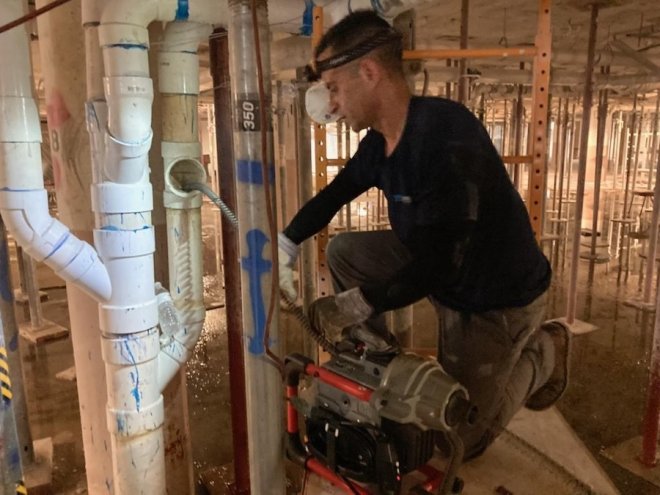
Does your home have a sewer smell that nobody can trace? A plumbing smoke test can quickly find where it starts. Trust Rooter is here to help. Sewer gas escapes through openings too…
Read More 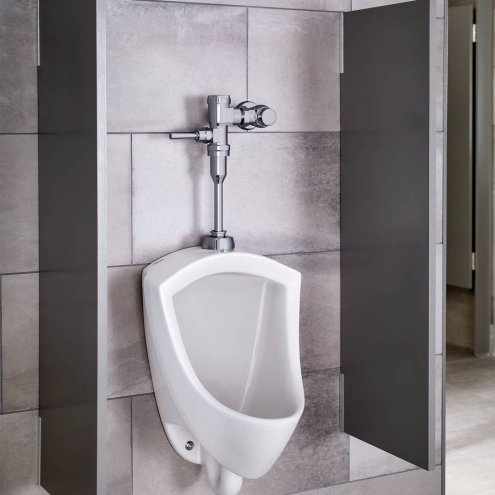
A row of broken urinals in a busy restroom invites customer complaints, health inspection problems, and high water bills. Waiting until something breaks could mean shutting down fixtures during peak hours. Trust Rooter recommends…
Read More