

561-721-7999
FREE ONSITE QUOTE!

4.9/ 5 Ratings based on 1698 reviews
GREAT SERVICE, GREAT REVIEWS!

Call This Thursday to Get
$35 OFF
of any service
561-721-7999
4.9/ 5 Ratings based on 1698 reviews
Call This Thursday to Get
of any service
 May 22,2026
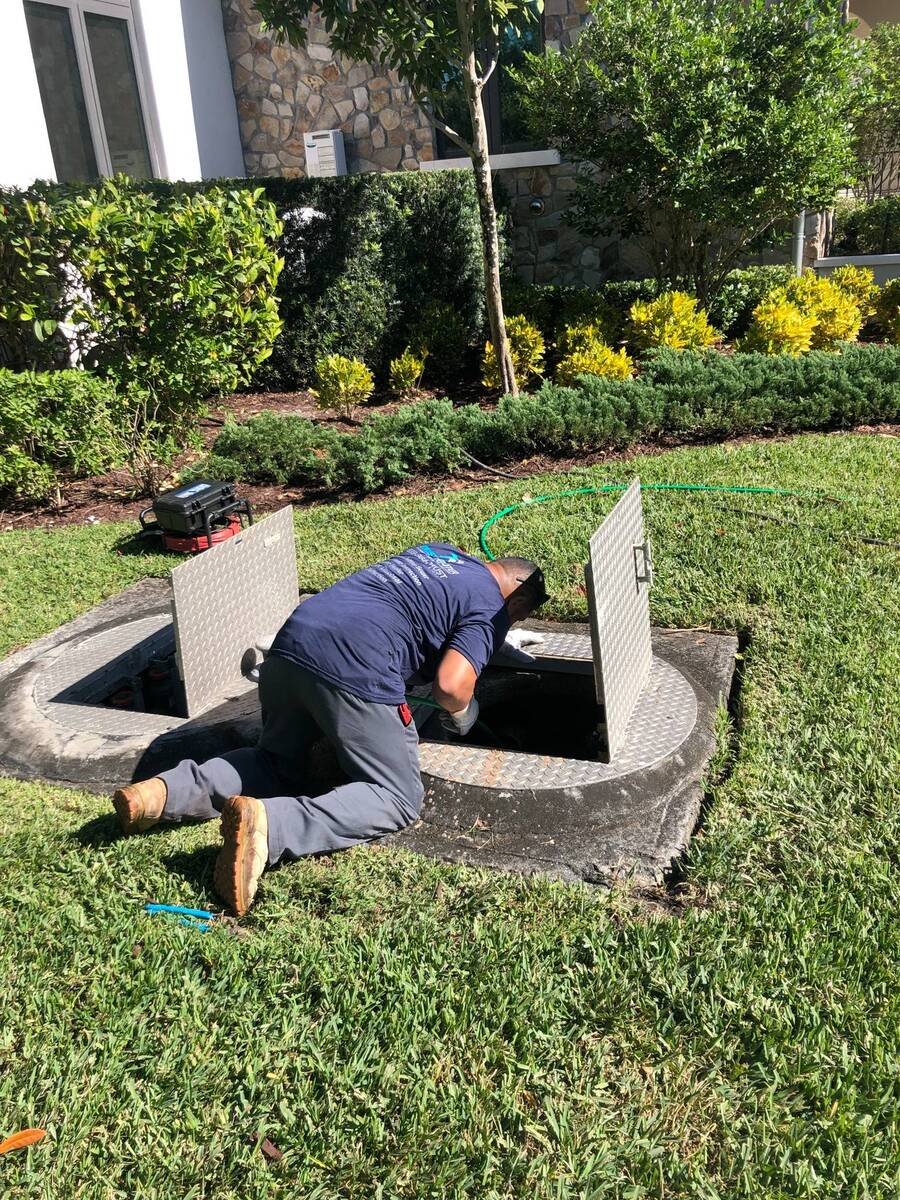
 Most property owners never think about their lift station until it stops working. By then, the technicians responding to the call are rarely surprised by what they find inside. At Trust Rooter, our crews have opened enough neglected units to know what years of skipped lift station maintenance looks like. This post pulls back the curtain on what accumulates inside these systems and why staying ahead of it is always the better option.
A lift station is a pumping system that moves wastewater from a lower elevation to a higher one so gravity can take it the rest of the way to the treatment facility. Properties built in low-lying areas, subdivisions with varying terrain, and commercial developments with basement plumbing all depend on these systems to keep sewage moving. Without a functioning lift station, wastewater has nowhere to go.
Inside the wet well, submersible pumps activate based on float switch readings. When the water level rises to a set point, the floats trigger the pumps. The pumps push the wastewater through a force main and up to the gravity sewer. The whole cycle repeats dozens of times a day, depending on the property's usage load.
The heavy repetition is why lift station maintenance matters. Every pump activation and float trigger is a mechanical event. Skipping inspections doesn't pause that wear.
If you open a neglected wet well, the first thing you'll notice is the accumulation. Rags, wipes labeled "flushable," paper towels, feminine hygiene products, and hair that make it into the system don't break down. They tangle around pump impellers and accumulate on the wet well floor until they form a dense mat. Technicians also find:
A professional plumber pulling a pump from a neglected station is working through years of material that the system was never designed to hold. That adds hours to the job and parts that wouldn't have failed if the unit had been serviced on schedule.
Grease enters lift stations from the drains. It cools inside the wet well and adheres to every surface it contacts. On pump housings, it insulates the motor and causes it to run hot. On float switches, it coats the casing and prevents the float from rising and falling correctly.
A float switch stuck in the down position tells the pump the water level is low when it isn't. The pump never activates, so the wet well fills until it overflows or triggers a high-level alarm. A float stuck in the up position does the opposite. The pump runs continuously and burns out the motor.
Either failure can result in a sewage backup onto the property. A plumbing repair service in Lauderdale By the Sea responding to either scenario is doing damage control, not routine maintenance. The repair costs reflect the difference.
Wastewater produces hydrogen sulfide gas as it sits and decomposes. In an enclosed wet well, the gas becomes more concentrated. It attacks exposed metal surfaces, corrodes electrical conduit, deteriorates concrete walls, and degrades pump casing materials.
The corrosion isn't always visible from the access hatch. Guide rails look intact until a technician applies weight to them during pump removal. Junction boxes look sealed until the lid comes off and reveals terminals eaten through to bare copper. Concrete spalling can be hidden beneath a layer of biofilm until pieces begin breaking off into the wet well.
Hydrogen sulfide is also a confined space hazard. Technicians entering a neglected wet well without atmospheric testing and proper PPE face potentially fatal exposure. The safety requirement adds time and cost to every service call on a unit with poor ventilation or a history of missed lift station maintenance.
A thorough inspection isn't a visual check from the top of the access hatch. Technicians go through the system component by component to establish a baseline and catch developing problems. A standard inspection covers:
A reliable plumber completing this inspection documents findings with photos and measurements. The record becomes the comparison point for the next visit. It's how early wear gets caught before it becomes a failure.
Scheduling a plumbing repair service call after a backup is expensive. Scheduling routine lift station maintenance is predictable and budgetable. Properties with documented service histories also have an easier time demonstrating compliance when regulatory agencies or a future buyer request maintenance records.
Lift stations fail when they're ignored because the debris accumulates, grease builds, and corrosion spreads. Eventually, a float switch fails, or a pump burns out. Trust Rooter's technicians have seen every stage of the progression. Call to schedule a lift station inspection before the system gives you a reason to. We work on residential and commercial lift stations throughout the area, and we don't cut corners on safety or reporting.
Trust Rooter is a professional plumbing company that has built a reputation for offering reliable residential and commercial plumbing services. From drain cleaning to water heater maintenance, garbage disposal repair, water leak repair, faucet repair, and sewer drain repair, Trust Rooter is your go-to plumbing company for all of your plumbing needs.
When South Florida gets hit with heavy rain, the effects aren't always limited to flooded streets and soggy yards. Saturated soil and already-high groundwater can put extra stress on underground plumbing, while damaged sewer…
 Read More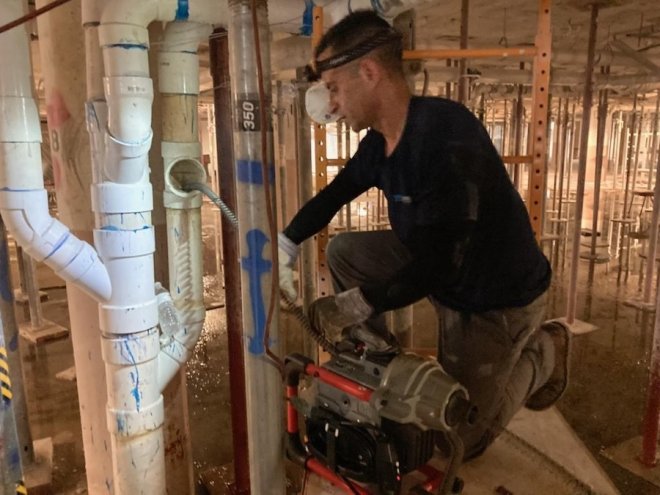
Does your home have a sewer smell that nobody can trace? A plumbing smoke test can quickly find where it starts. Trust Rooter is here to help. Sewer gas escapes through openings too…
Read More 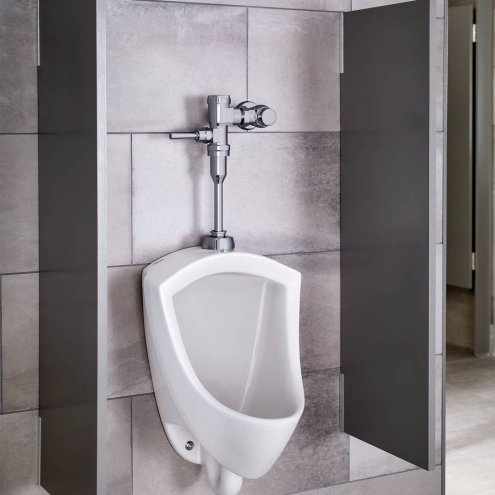
A row of broken urinals in a busy restroom invites customer complaints, health inspection problems, and high water bills. Waiting until something breaks could mean shutting down fixtures during peak hours. Trust Rooter recommends…
Read More