

(561) 721-7999
FREE ONSITE QUOTE!

4.9/ 5 Ratings based on 1698 reviews
GREAT SERVICE, GREAT REVIEWS!

Call This Thursday to Get
$35 OFF
of any service
(561) 721-7999
4.9/ 5 Ratings based on 1698 reviews
Call This Thursday to Get
of any service
 May 12,2026
 Making the switch to a tankless water heater is one of the smartest home upgrades a homeowner can invest in. Traditional tank-style water heaters have been the usual for decades, but they come with limitations that modern tankless systems have completely reimagined. From energy savings to endless hot water on demand, the benefits are hard to ignore once you start exploring the option. Upgrading involves more than simply swapping one unit for another, and understanding the process can help you make a confident, informed decision.
In this blog post, our professionals from Urgent Rooter will tell you everything you need to know before making the switch to a tankless water heater system.
Unlike traditional water heaters that store and continuously heat a large tank of water, tankless systems heat water directly as it flows through the unit. This means hot water is available on demand without waiting for a storage tank to refill or reheat. The result is a more energy-efficient process since the system only activates when hot water is needed. Gas-powered and electric models are both available, and the right choice depends on your home's existing infrastructure and energy preferences.
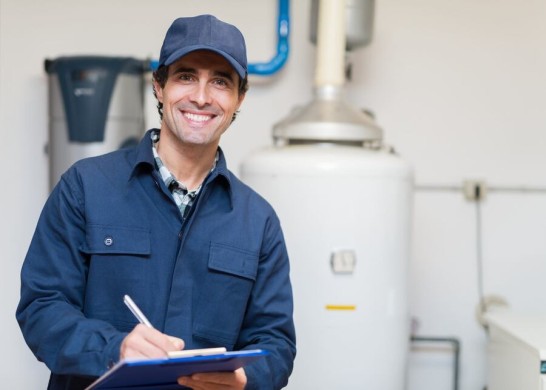
Proper water heater installation is not a DIY project for most homeowners. Tankless systems require precise connections to gas lines or electrical panels, proper venting, and code-compliant setups that vary by region. A licensed plumber brings the expertise needed to evaluate your home's current plumbing configuration and determine what modifications are necessary. Cutting corners during installation can lead to inefficiency, safety hazards, or a voided warranty, so professional installation is always the right call.
Before committing to a tankless system, your home needs to be evaluated for compatibility. Older homes may have pipes that need upgrading, and the gas line may need to be resized to handle a higher load demand. A professional plumbing repair service can assess your current setup and identify any necessary upgrades before the new unit is installed. This step prevents unexpected costs and ensures the system performs at its full potential from day one.
One of the most important decisions in the upgrade process is selecting the correct unit size. A system that is too small will struggle to keep up with simultaneous hot water demands, while an oversized unit wastes money upfront. Flow rate requirements depend on how many fixtures and appliances may be running hot water at the same time in your home. A knowledgeable plumber in Boca Raton, FL can calculate the right flow rate and temperature rise needed for your specific household and recommend the best model accordingly.
Tankless water heaters have a longer lifespan than traditional tanks, often lasting 20 years or more with proper care. Energy savings can be substantial because the system only heats water when needed, avoiding the constant heat loss associated with traditional storage tanks. Routine maintenance, such as annual descaling, keeps the unit running efficiently and extends its life. Scheduling regular checkups with a trusted plumbing repair service makes sure that small issues are caught early before they turn into costly repairs.
Are you in need of a water heater installation? Luckily, we at Urgent Rooter have dedicated workers ready at your service. Contact our representatives for more questions.
Trust Rooter is a professional plumbing company that has built a reputation for offering reliable residential and commercial plumbing services. From drain cleaning to water heater maintenance, garbage disposal repair, water leak repair, faucet repair, and sewer drain repair, Trust Rooter is your go-to plumbing company for all of your plumbing needs.
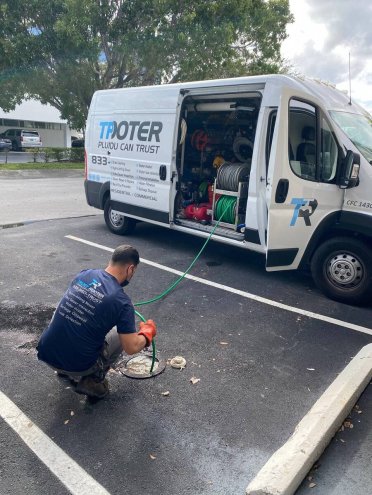
When South Florida gets hit with heavy rain, the effects aren't always limited to flooded streets and soggy yards. Saturated soil and already-high groundwater can put extra stress on underground plumbing, while damaged sewer…
 Read More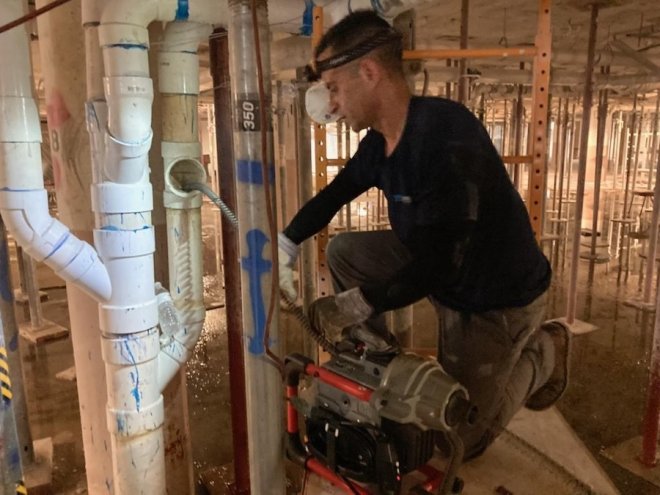
Does your home have a sewer smell that nobody can trace? A plumbing smoke test can quickly find where it starts. Trust Rooter is here to help. Sewer gas escapes through openings too…
Read More 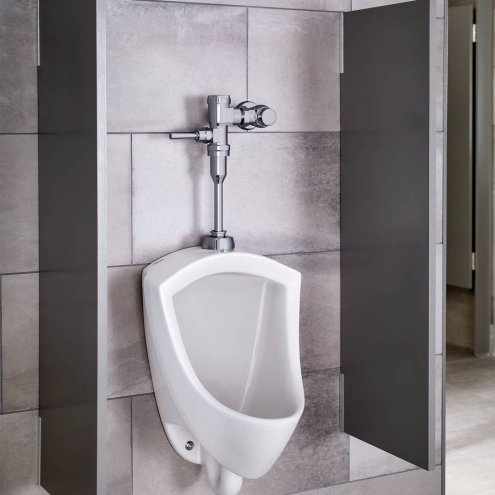
A row of broken urinals in a busy restroom invites customer complaints, health inspection problems, and high water bills. Waiting until something breaks could mean shutting down fixtures during peak hours. Trust Rooter recommends…
Read More