

561-721-7999
FREE ONSITE QUOTE!

4.9/ 5 Ratings based on 1698 reviews
GREAT SERVICE, GREAT REVIEWS!

Call This Thursday to Get
$35 OFF
of any service
561-721-7999
4.9/ 5 Ratings based on 1698 reviews
Call This Thursday to Get
of any service
 May 08,2026
 If you’ve ever stood at the sink or shower waiting for hot water, you know how much water gets wasted before it finally arrives. Those wasted gallons show up on your utility bill month after month. Trust Rooter installs hot water recirculating systems that eliminate the wait by delivering hot water on demand without the waste. The technology is simple, and the long-term payoff justifies the upfront investment fairly quickly. Keep reading to find out how these systems work, what installation involves, and whether one makes sense for your home.
The EPA estimates that the average American household wastes between 4,000 and 9,000 gallons of water per year just waiting for hot water to travel from the heater to the tap. That figure climbs in larger homes where the water heater sits far from bathrooms or the kitchen. A single fixture can dump one to two gallons before the temperature becomes usable, and most households have multiple fixtures running daily.
Multiply that across morning showers, dishwashing, and handwashing throughout the day, and the drain loss becomes substantial by the end of the month. In drought-prone regions or those with metered water billing, wasted water translates into higher costs. Installing a hot water recirculating system eliminates most of that loss at the source.
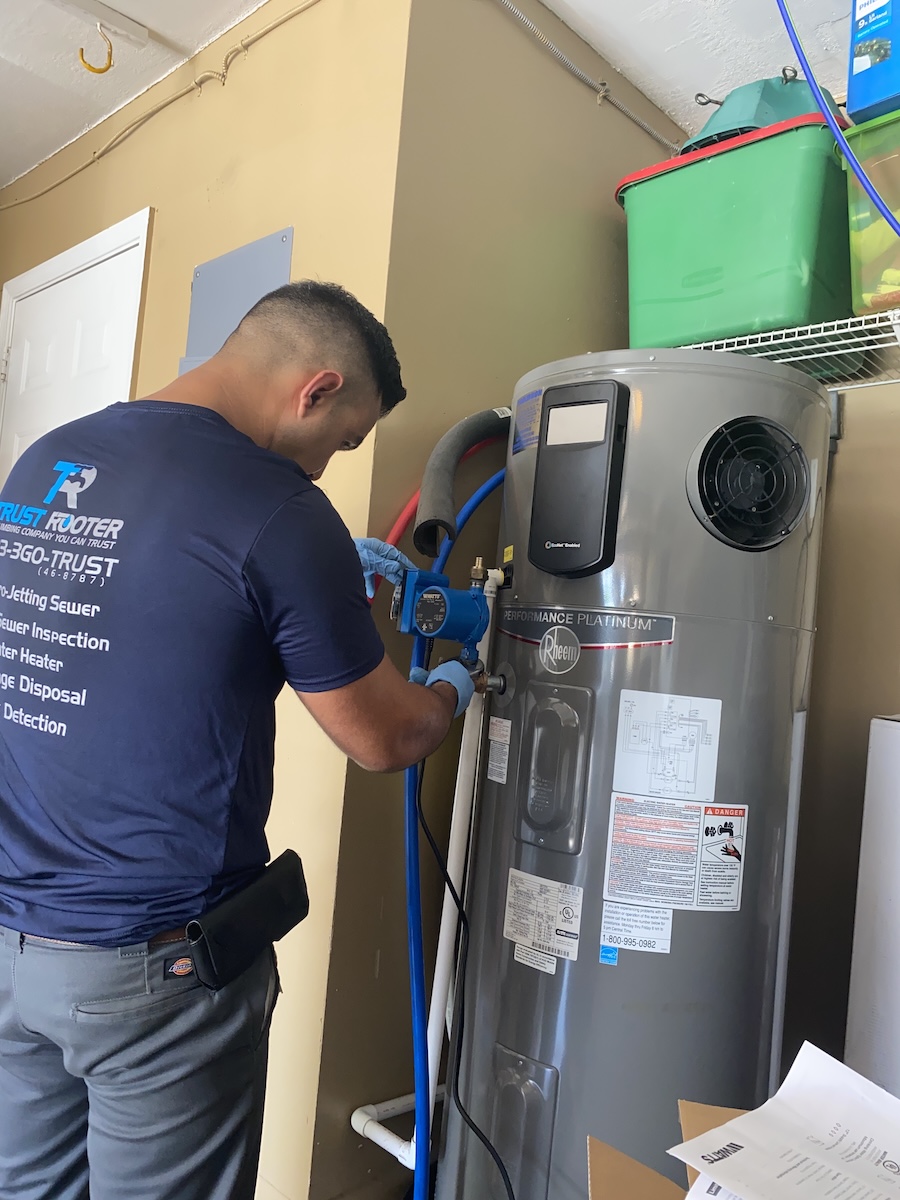
A hot water recirculating system keeps hot water circulating through your pipes so it's available at each fixture within seconds. A pump is mounted at or near the water heater, which pushes water continuously or on a timer through a dedicated loop back to the heater. When you open a tap, hot water arrives almost immediately because it was already moving through the line.
Most systems include a thermostat and timer so the pump only runs during peak-use hours, like mornings and evenings. That prevents the pump from running at 3 a.m. when no one needs hot water. A plumber in Fort Lauderdale installs the pump, connects it to the existing water heater, and configures the controls to match the household's schedule.
Dedicated loop systems use a separate return pipe that runs from the farthest fixture back to the water heater. Hot water circulates through this loop continuously or on a schedule, so every tap in the house delivers hot water within a few seconds. These systems are most efficient in new construction or during a major plumbing repair service that already opens walls and ceilings.
In retrofit systems, instead of a return pipe, they install a crossover valve under the sink at the farthest fixture to allow the cold water line to carry cooled water back to the heater. A pump at the heater does the pushing. This works in existing homes without requiring new pipe runs, which keeps installation costs lower. The tradeoff is a brief delay before the cold water line clears, but most users find it acceptable given the cost savings.
Choosing between the two depends on your home's layout, the age of your plumbing, and your budget. A dependable plumber can help you decide which setup makes more sense after reviewing your pipe configuration and water heater location.
Adding a recirculation pump does add a small load to your electricity bill. A continuously running pump draws roughly 25 to 75 watts, depending on the model, which adds up if it runs 24 hours a day. Timer-controlled and demand-activated models solve that problem by running only when hot water is needed, which keeps energy costs minimal.
The water savings, however, are immediate. Households that currently pay for metered water will see a reduction in their monthly usage. In states with higher water rates or tiered billing structures, the drop can cover the cost of the pump's electricity and then some.
A tankless heater paired with a hot water recirculating pump delivers on-demand performance without the standby heat loss of a tank model. That combination tends to produce the strongest combined savings.
For a retrofit system, installation takes most plumbers two to four hours. The main steps consist of:
Dedicated loop systems take longer since they require running a return pipe back to the heater, which may involve cutting into drywall or accessing crawl spaces. That work usually takes a full day and involves patching after the pipe is in place.
Either way, the home's water supply is shut off only briefly during the connection phase. Most households have hot water service restored the same day. A licensed plumber will test the system before leaving to confirm that the pump cycles correctly and that there are no leaks at the connections.
Trust Rooter's licensed plumbers can provide an installation using quality components built to last. Whether you need a simple retrofit or a full dedicated loop, our team chooses the right system for your home's layout and usage patterns. Call today to schedule your hot water recirculating system installation and stop losing water every time you turn on the tap.
Trust Rooter is a professional plumbing company that has built a reputation for offering reliable residential and commercial plumbing services. From drain cleaning to water heater maintenance, garbage disposal repair, water leak repair, faucet repair, and sewer drain repair, Trust Rooter is your go-to plumbing company for all of your plumbing needs.
When South Florida gets hit with heavy rain, the effects aren't always limited to flooded streets and soggy yards. Saturated soil and already-high groundwater can put extra stress on underground plumbing, while damaged sewer…
 Read More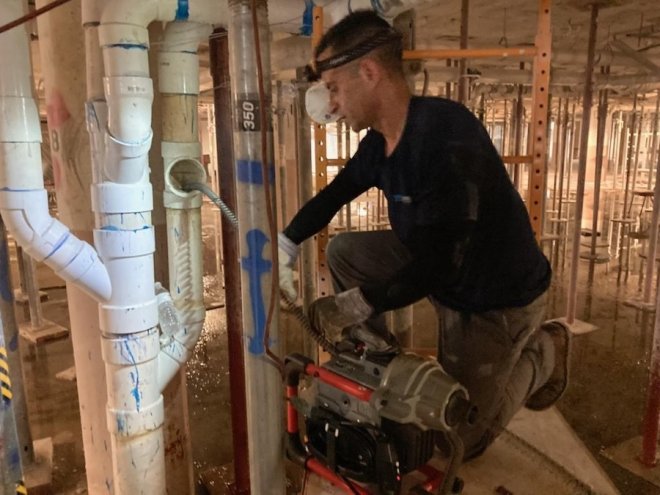
Does your home have a sewer smell that nobody can trace? A plumbing smoke test can quickly find where it starts. Trust Rooter is here to help. Sewer gas escapes through openings too…
Read More 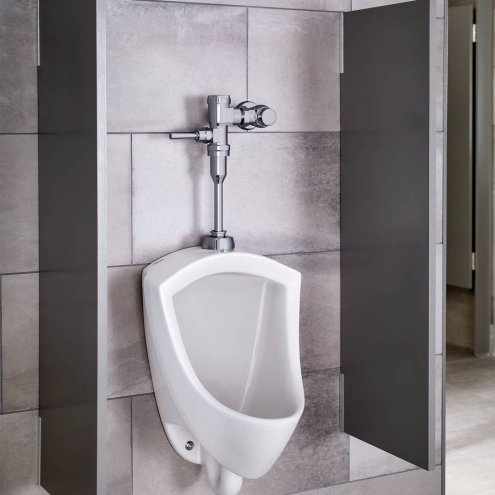
A row of broken urinals in a busy restroom invites customer complaints, health inspection problems, and high water bills. Waiting until something breaks could mean shutting down fixtures during peak hours. Trust Rooter recommends…
Read More