

561-721-7999
FREE ONSITE QUOTE!

4.9/ 5 Ratings based on 1698 reviews
GREAT SERVICE, GREAT REVIEWS!

Call This Thursday to Get
$35 OFF
of any service
561-721-7999
4.9/ 5 Ratings based on 1698 reviews
Call This Thursday to Get
of any service
 Apr 05,2026
 Lift stations do critical work moving wastewater from lower to higher elevations, and most property owners give them little thought until something stops working. At Trust Rooter, we maintain lift stations for residential communities, commercial properties, and municipalities that can't afford an unexpected failure. If you manage a property with a lift station and want to understand what proper maintenance looks like, this is worth your time.
A lift station is a pumping system installed where gravity alone can't move wastewater to its destination. When a building or community sits at a lower elevation than the municipal sewer line, a lift station collects the incoming wastewater in a wet well, then pumps it up and forward through a pressurized force main. Without it, the system backs up.
Most lift stations include two submersible pumps, a wet well, control panels, and an alarm system. The dual-pump setup exists for a reason. One pump handles normal flow while the second serves as backup during high-volume periods or when the first pump needs service. A plumber working on lift station systems understands this redundancy isn't a luxury. It's what keeps the station running during a pump failure without flooding the wet well.
The lift station connects directly to the broader wastewater infrastructure. When it underperforms, the effects move downstream fast. Sewage backs up into buildings, overflows into the environment, and creates health and liability exposure for whoever owns or manages the property.
Most lift station failures trace back to a short list of preventable problems. Pump wear and mechanical failure top the list, followed closely by float switch malfunctions, grease and debris accumulation in the wet well, and electrical issues with the control panel. Each of these develops gradually, which is why lift station maintenance catches them before they become emergencies.
Float switches are small components that signal the pumps to activate based on water level. When they malfunction, the pumps either run dry or fail to start, both of which cause serious damage. Grease buildup restricts pump function and corrodes components. Debris like rags, wipes, and solids that enter the system bind impellers and burn out motors.
Electrical failures tend to get less attention until a control panel shorts out or a breaker trips during a high-flow period. Corrosion from the wet environment accelerates wear on wiring and connections. A qualified plumber inspecting these components on a regular schedule catches deterioration so it doesn't shut the system down.
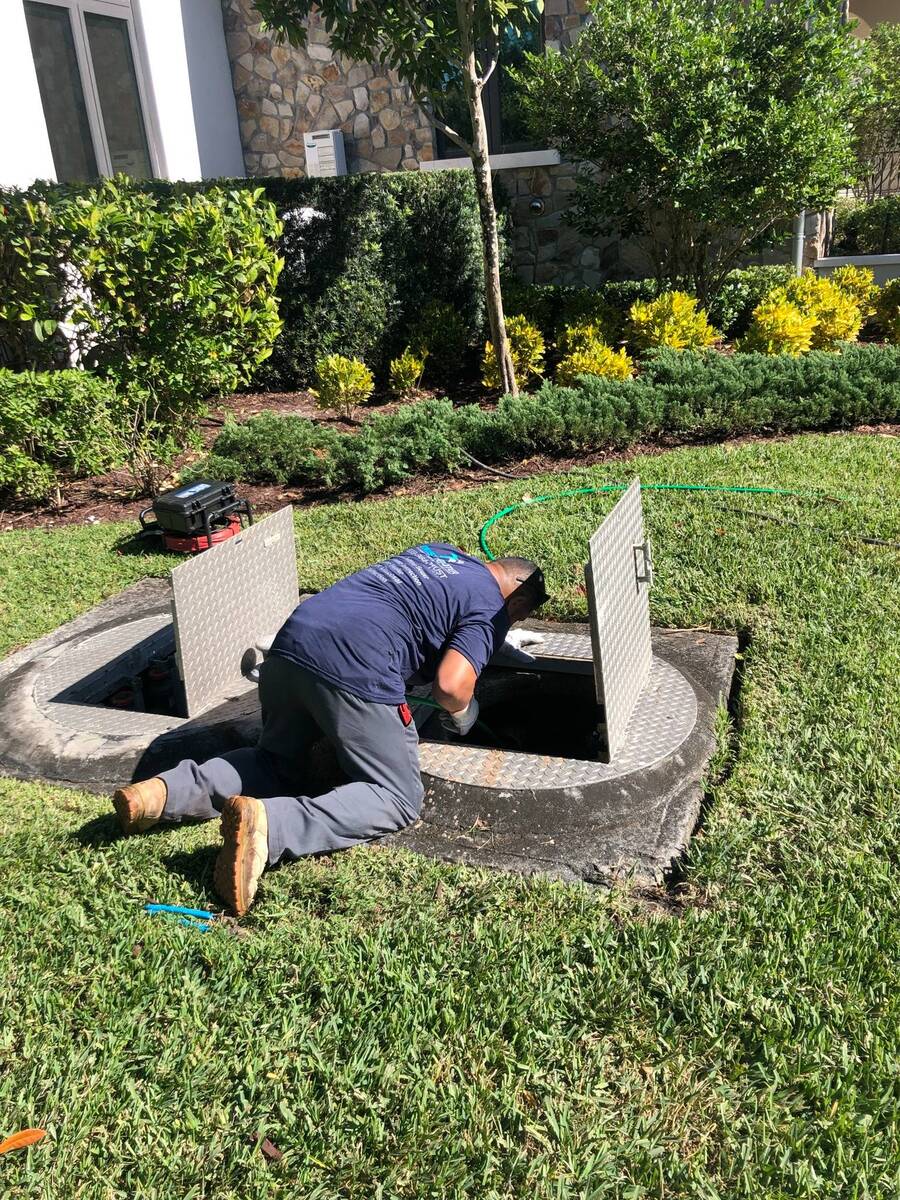
During maintenance, technicians inspect and test specific components, document findings, and take care of minor issues. Here's what a standard visit includes:
This level of documentation is critical. When a pump's run time increases between visits without a corresponding increase in flow volume, that's an early indicator of wear or a partial blockage. A plumbing repair service tracking that data can replace a component before failure.
Emergency lift station repair costs more in every direction. The service call can carry after-hours or emergency rates. Parts sourced urgently also cost more than parts ordered on a maintenance schedule. And if the failure causes a sewage backup or overflow, you're adding environmental remediation, regulatory fines, and potential property damage to the bill.
A single emergency pump replacement can run $3,000 to $8,000 or more, depending on pump size and system complexity. An overflow event that requires environmental cleanup can reach five figures. Compare that to a plumbing repair service contract that runs $150 to $500 per visit on a scheduled basis.
Scheduled lift station maintenance also extends equipment lifespan. Submersible pumps that receive regular service routinely reach 15 to 20 years of operational life. Neglected pumps in comparable systems can fail in less than 8 years. The replacement cost alone, without factoring in emergency labor or damage, justifies the maintenance schedule.
The wet well is where wastewater collects before the pumps move it out. Without cleaning, grease, sediment, and solids accumulate along the walls and floor. The buildup reduces the effective volume of the wet well, which means pumps cycle more frequently and work harder to keep up with normal inflow.
Hydrogen sulfide gas builds up in wet wells with heavy organic accumulation. The gas corrodes concrete and metal components at an accelerated rate, which eventually weakens the structure of the wet well. It also creates a serious safety hazard for any technician entering the space. A plumber performing routine maintenance includes confined space safety protocols and gas monitoring as standard procedure.
When the wet well degrades structurally, the repair scope expands well beyond the pumps. Rehabilitating or replacing a deteriorated wet well is a major construction project. Cleaning it on schedule costs a fraction of that.
If you manage a property with a lift station, put a maintenance schedule in place before you need an emergency call. Contact Trust Rooter to set up a lift station maintenance plan built around your system's specific size, usage, and history.
Trust Rooter is a professional plumbing company that has built a reputation for offering reliable residential and commercial plumbing services. From drain cleaning to water heater maintenance, garbage disposal repair, water leak repair, faucet repair, and sewer drain repair, Trust Rooter is your go-to plumbing company for all of your plumbing needs.
When South Florida gets hit with heavy rain, the effects aren't always limited to flooded streets and soggy yards. Saturated soil and already-high groundwater can put extra stress on underground plumbing, while damaged sewer…
 Read More
Does your home have a sewer smell that nobody can trace? A plumbing smoke test can quickly find where it starts. Trust Rooter is here to help. Sewer gas escapes through openings too…
Read More 
A row of broken urinals in a busy restroom invites customer complaints, health inspection problems, and high water bills. Waiting until something breaks could mean shutting down fixtures during peak hours. Trust Rooter recommends…
Read More