

561-721-7999
FREE ONSITE QUOTE!

4.9/ 5 Ratings based on 1698 reviews
GREAT SERVICE, GREAT REVIEWS!

Call This Thursday to Get
$35 OFF
of any service
561-721-7999
4.9/ 5 Ratings based on 1698 reviews
Call This Thursday to Get
of any service
 Apr 15,2026
 Waiting two or three minutes for hot water to reach a faucet is a daily frustration that adds up in wasted water and wasted patience. A recirculating system is a great solution, but whether it works with an existing water heater depends on a few factors. Trust Rooter is here to help homeowners understand this kind of upgrade. Getting familiar with how recirculating systems work and what the installation process involves puts you in a better position to decide whether it's the right move for your home. Keep reading for a look at what's involved and what to expect.
A hot water recirculating system keeps water moving through your pipes so hot water is ready at the tap without a wait. Instead of cooling in the lines, the water cycles back to the heater to stay hot. The result is near-instant delivery at every fixture connected to the loop.
There are two basic setups. A full recirculation system uses a dedicated return line that runs from the farthest fixture back to the water heater. A comfort valve or bypass valve system works without the dedicated line by routing cooled water back through the cold water pipe instead. Both rely on a pump, which attaches to the water heater and drives the circulation.
The pump does the mechanical work, but a timer or sensor controls when it runs. Some systems run continuously, which keeps water hot at all times. Others use temperature sensors or motion-activated controls to circulate only when needed. That's important when you start thinking about energy use and long-term cost.
Most standard tank water heaters are compatible with a hot water recirculating pump, whether gas or electric. The pump mounts to the hot water outlet at the top of the tank, and the installation doesn't require replacing or substantially modifying the heater itself.
Tankless water heaters need more thought when it comes to recirculation. While they heat water on demand, the water sitting in your pipes can still cool between uses, so you might still get an initial delay at the tap. A recirculating system solves that, but it has to be set up correctly. Some tankless units include a built-in port, which makes installation simple. Others don't, and adding a recirculation loop can cause short cycling. A plumber in Boca Raton can check your specific model and recommend the right setup.
Heat pump water heaters have similar compatibility considerations to tankless units. Because they operate differently from conventional tank heaters, not every recirculating pump setup works without adjustment. Checking manufacturer specs and consulting a professional before purchasing any equipment saves you from buying components that won't work together.
A full recirculating system runs a dedicated loop from your water heater to the furthest fixture and back. This setup delivers the fastest hot water access and works well in larger homes where the distance from the heater to the tap is significant. It requires a return line, which means either your home already has one or a plumber in Oakland Park, FL needs to add it, and the installation adds to the overall project scope and cost.
Demand-based pumps are designed for homes without a dedicated return line. They use the cold water pipe as a return path, with a bypass valve installed at the fixture furthest from the heater. When the pump activates, it pulls water from the hot line through the bypass and into the cold line, back to the heater. This avoids a full pipe retrofit and works in most existing homes.
The tradeoff with demand-based systems is that some lukewarm water can enter the cold line during operation, which some homeowners notice. It's a minor issue, but worth knowing. The right choice between these two types depends on your home's current pipe layout, the distance from your heater to your fixtures, and your budget for the project.
Installing a recirculating pump on an existing water heater is a manageable project for an experienced plumber, and in most cases, it can be completed in a few hours. The pump mounts to the hot water outlet at the top of the tank, the bypass valve installs under the sink at the far end of the loop, and the system connects to a standard electrical outlet or hardwires into a nearby circuit, depending on the pump model.
If your home needs a dedicated return line, the project becomes more involved. A plumber will run a new pipe back to the heater, which may require access through walls, crawl spaces, or under cabinets. The complexity depends entirely on your home's layout and how accessible those routes are. In some homes, this adds only a few hours of labor; in others, it's a more serious plumbing repair service.
Before the work begins, a plumber should inspect your current water heater for age and condition. Installing a recirculating system on a heater that's near the end of its lifespan puts money into a setup you'll have to redo when the heater fails. If your unit is more than ten years old or showing signs of deterioration, replacing it at the same time as the recirculation installation makes more practical and financial sense.
A hot water recirculating system reduces water waste by eliminating the cold-water purge at each fixture. The EPA estimates the average household wastes between 9,000 and 11,000 gallons per year waiting for hot water to arrive. Cutting waste shows up on your water bill, with most homeowners seeing savings within the first year.
The energy picture depends on the type of system and how it's controlled. A continuously running pump keeps water hot around the clock, which increases the heater's workload and raises energy costs. A demand-based pump with a timer or sensor runs only when hot water is likely to be needed, and that limits the added energy draw. The difference between the two can be substantial over the course of a year.
For most households, a demand-controlled system produces net savings when water and energy costs are combined. Your actual numbers will vary based on water rates in your area, how many people use hot water in your home, and how the system is configured. A plumber familiar with your specific setup can give you a realistic estimate before installation.
A recirculating system is a practical, cost-effective upgrade for most homes, and adding one to an existing water heater is a well-proven process. Trust Rooter's team offers installations, assessments, and plumbing repair service for local property owners. Contact us today to schedule an appointment and find out which hot water recirculating option fits your home.
Trust Rooter is a professional plumbing company that has built a reputation for offering reliable residential and commercial plumbing services. From drain cleaning to water heater maintenance, garbage disposal repair, water leak repair, faucet repair, and sewer drain repair, Trust Rooter is your go-to plumbing company for all of your plumbing needs.
When South Florida gets hit with heavy rain, the effects aren't always limited to flooded streets and soggy yards. Saturated soil and already-high groundwater can put extra stress on underground plumbing, while damaged sewer…
 Read More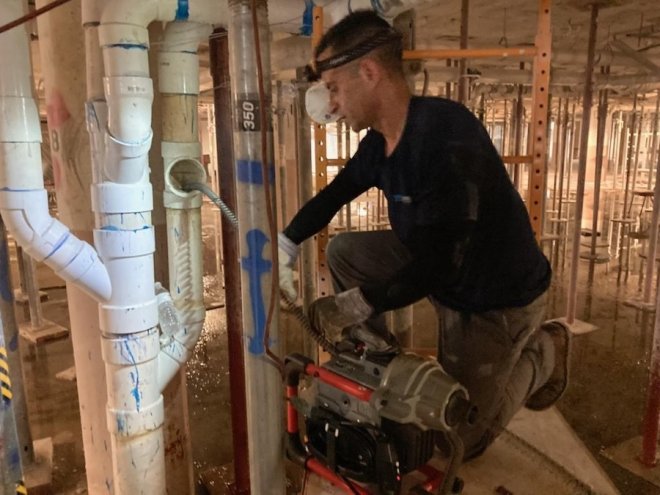
Does your home have a sewer smell that nobody can trace? A plumbing smoke test can quickly find where it starts. Trust Rooter is here to help. Sewer gas escapes through openings too…
Read More 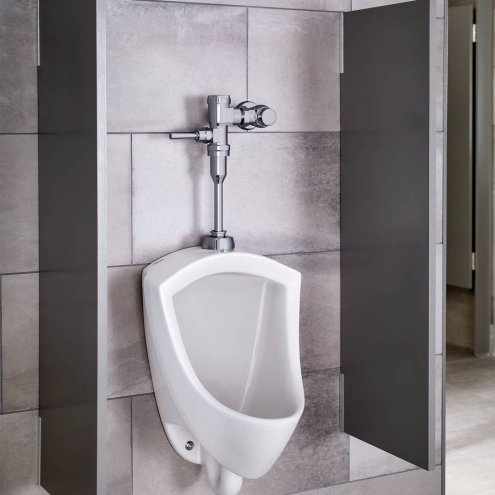
A row of broken urinals in a busy restroom invites customer complaints, health inspection problems, and high water bills. Waiting until something breaks could mean shutting down fixtures during peak hours. Trust Rooter recommends…
Read More