

954-707-6556
FREE ONSITE QUOTE!

4.9/ 5 Ratings based on 1698 reviews
GREAT SERVICE, GREAT REVIEWS!

Call This Thursday to Get
$35 OFF
of any service
954-707-6556
4.9/ 5 Ratings based on 1698 reviews
Call This Thursday to Get
of any service
 Aug 19,2026
 When South Florida gets hit with heavy rain, the effects aren't always limited to flooded streets and soggy yards. Saturated soil and already-high groundwater can put extra stress on underground plumbing, while damaged sewer lines may allow groundwater to enter or wastewater to escape. Trust Rooter provides reliable sewer repair services that can help identify problems that become more noticeable after heavy rain. If your drains suddenly slow down, sewage odors appear, or backups seem to coincide with stormy weather, keep reading to find out how local conditions can affect your sewer line and what the warning signs may mean.
A water table marks the underground depth where soil and rock become saturated with groundwater. In South Florida, groundwater can sit relatively close to the surface. Heavy rainfall can raise groundwater levels further and leave the soil surrounding buried sewer pipes saturated.
A sewer line in good condition should remain sealed against the surrounding soil and groundwater. Problems can start when a pipe already has a crack, separated joint, deteriorated connection, or other opening. Rising groundwater can reach damaged areas. The amount of water entering the sewer system may increase during wet weather, which can contribute to slow drainage or backups.
Water changes soil conditions and can affect the support beneath underground lines. If soil washes away from part of a pipe or shifts after prolonged rain, the sewer line may lose some of the support that previously held it in position. An older or damaged line may become more vulnerable to movement or separation.
Homeowners can't see these conditions from the surface. A licensed plumber in Lauderdale By The Sea can inspect the drainage system when symptoms appear and determine whether the problem points to the sewer line or another part of the home's plumbing.
Underground sewer pipes depend on the surrounding soil for support. When heavy rainfall saturates the ground, the soil can become softer and less stable. Erosion can also remove material from around buried pipes. Those changes don't automatically mean a sewer line will fail, but an existing weakness may become easier to detect after a storm.
Pipe material, age, installation, tree roots, previous damage, and soil conditions can all affect how a line responds. A loose connection may separate more, or a cracked section can let groundwater into the line. If the soil shifts enough, part of the pipe may become misaligned or develop a low spot.
Some underground problems can also work in the opposite direction. Wastewater may leak from a damaged sewer pipe into the surrounding soil. This can create sewage odors, unusually wet areas, or recurring drainage trouble. Because South Florida yards may already be wet after a storm, a sewer leak can be difficult to identify.
A plumbing repair service can use diagnostic equipment to narrow down the source of the problem before recommending repairs. Depending on the symptoms and property, an inspection may include a sewer camera that lets the technician examine the inside of the line for cracks, root intrusion, separated joints, obstructions, or damaged pipe sections.
A single slow sink doesn't always point to the main sewer line. Hair, soap residue, grease, or debris can clog an individual fixture. Multiple drains that begin acting differently at the same time need closer attention, especially when the change appears during a stretch of heavy rain. Watch for changes like:
Don't assume repeated backups are simply part of living through the rainy season. A plumbing repair service can find out what’s interfering with wastewater flow.
Groundwater infiltration occurs when water from the surrounding soil enters a sewer line through an opening. Cracks, defective joints, damaged connections, and deteriorated pipe sections can provide an entry point. During dry weather, the amount of infiltration may be limited.
Extra water in the line occupies space that would otherwise carry household wastewater. A partial obstruction can make the problem worse because the line already has less capacity. The result may be slower drainage, gurgling fixtures, or backed-up wastewater.
A camera inspection can help locate visible defects inside the pipe. Technicians may also use other diagnostic methods when the situation calls for them. The goal is to identify where water or wastewater is passing through the pipe wall and determine the condition of the surrounding sewer line.
A small localized defect will need a completely different response than a collapsed section or extensive deterioration. Professional sewer repair services can check the damaged area and recommend a solution based on accessibility and the extent of the failure.
Storm-related drainage symptoms can disappear once groundwater levels drop, but the underlying pipe defect remains. A cracked joint doesn't repair itself when the rain stops. If groundwater entered through that opening during one storm, similar symptoms are likely to return during the next heavy rainfall.
A professional inspection can separate a routine fixture clog from a problem deeper in the sewer system. If the line needs a repair, a licensed plumber can explain where the defect is located and which repair options fit the condition of the pipe. Sewer repair services may focus on a localized damaged section or a larger portion of the line, depending on the results of your inspection.
South Florida's heavy rain and high groundwater can expose sewer problems that are less noticeable in dry weather. If slow drains, sewage odors, gurgling fixtures, or backups appear during storms, contact Trust Rooter to schedule an inspection. A qualified local plumber can locate the source of the problem and recommend the right next step.
Trust Rooter is a professional plumbing company that has built a reputation for offering reliable residential and commercial plumbing services. From drain cleaning to water heater maintenance, garbage disposal repair, water leak repair, faucet repair, and sewer drain repair, Trust Rooter is your go-to plumbing company for all of your plumbing needs.
When South Florida gets hit with heavy rain, the effects aren't always limited to flooded streets and soggy yards. Saturated soil and already-high groundwater can put extra stress on underground plumbing, while damaged sewer…
 Read More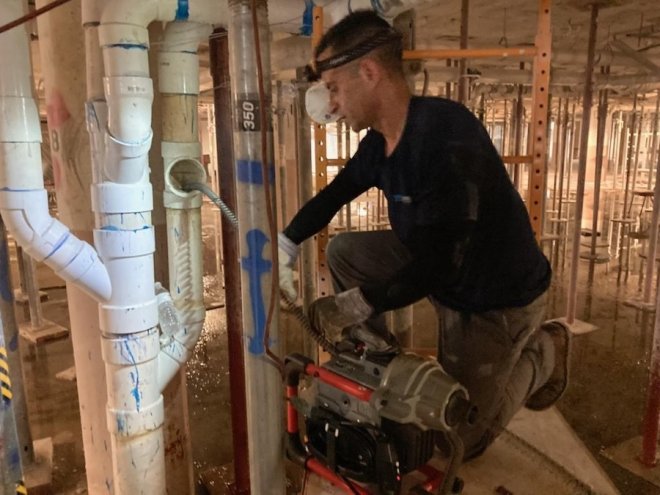
Does your home have a sewer smell that nobody can trace? A plumbing smoke test can quickly find where it starts. Trust Rooter is here to help. Sewer gas escapes through openings too…
Read More 
A row of broken urinals in a busy restroom invites customer complaints, health inspection problems, and high water bills. Waiting until something breaks could mean shutting down fixtures during peak hours. Trust Rooter recommends…
Read More