

954-707-6556
FREE ONSITE QUOTE!

4.9/ 5 Ratings based on 1698 reviews
GREAT SERVICE, GREAT REVIEWS!

Call This Thursday to Get
$35 OFF
of any service
954-707-6556
4.9/ 5 Ratings based on 1698 reviews
Call This Thursday to Get
of any service

 Jul 10,2026
 Flipping the disposal switch and hearing a low hum with no grinding means something is probably jamming the motor. Trust Rooter provides garbage disposal repair for this exact problem. A humming disposal draws power while the grinding chamber is stuck. Leaving it running that way can burn out the motor in minutes. Read more to find out what causes the hum, how to clear a jam safely, and when the unit is beyond saving.
A hum tells you the motor still gets electricity. Power reaches the unit, the motor tries to spin, and something blocks the impellers from turning. They fling food waste against a grinding ring using flywheel force, so any object wedged against the flywheel locks the whole assembly.
If you ignore the hum for more than a few seconds, the motor keeps pulling current with nowhere for the energy to go. Heat builds fast inside the housing. Most units include a thermal overload switch that trips before permanent damage sets in, though repeated overheating wears down the windings and shortens the motor's lifespan. Cut the switch off the moment you hear humming.
Never reach into a disposal that has power running to it. A jammed unit can free itself the instant you shift the object inside. A spinning flywheel will injure your hand in a fraction of a second. Turn off the power at two points before your fingers go anywhere near the drain:
Test with a flashlight, not your hand. Shine it down the drain to spot whatever is wedged in. A jammed disposal handled with the power live can send people to the emergency room. No clog clears fast enough to justify skipping this step.
Most disposals come with a small hex key, sometimes called an Allen wrench, that fits a socket on the bottom center of the unit. This socket connects straight to the flywheel. Turning it can help move the stuck object manually.
Insert the hex key into the bottom socket and crank it back and forth in both directions. You want a full rotation each way. The motion rocks the flywheel loose and frees the impellers. If you lost the original key, a 1/4-inch Allen wrench from any hardware store fits nearly every brand.
Once the flywheel spins freely by hand, fish out the object with pliers or long tongs from the top. Restore power, run cold water, and flip the switch. A clean grinding sound means you cleared it. Persistent humming after a free-spinning flywheel points to a bigger problem, and it’s time to call a professional plumber.
Certain items jam disposals more than others. Knowing them helps you keep the flywheel clear going forward. Hard debris wedges between the impeller and the grinding ring, while fibrous scraps wrap the center hub and disrupt rotation.
Scrape plates into the trash before rinsing, run cold water for 20 seconds after each use, and keep flatware away from the drain opening. These three habits prevent the jams that trigger most garbage disposal repair calls. A plumbing repair service sees the same handful of culprits in nearly every stuck unit they open.
A motor that hums with no jam present has usually lost a winding or a start capacitor. You cleared the flywheel, the hex key spins with no resistance, the reset button holds, and the unit still refuses to grind. At that point, the electrical system has likely failed, and no amount of resetting brings it back.
Signs of a dead motor stack up quickly. The unit trips the breaker the moment it powers on, a scorched smell rises from the housing, or the reset button won't work no matter how long you wait. Water pooling under the disposal points to a cracked housing, which lets moisture reach the motor and corrode the windings.
Repairing an internal motor fault costs more in parts and labor than the unit's own price in most cases. A plumbing repair service will diagnose whether the capacitor alone failed or the whole motor gave out, then quote you a repair against a replacement so you spend money where it makes sense.
Disposals run seven to twelve years with normal kitchen use. A unit past the decade mark that jams every few weeks costs you more in repeated garbage disposal repair visits than a new one installed once. Frequent resets signal a motor near the end of its service life. Weigh these factors before you spend on a fix:
Swapping a disposal takes a licensed plumber under an hour in most kitchens, and a fresh unit comes with a new warranty. Sinking money into a decade-old motor buys you a little time, while a replacement gives you years of clean grinding.
Trust Rooter can clear a jam, test the motor, and install a replacement if it’s time for an upgrade. Call us the moment your disposal hums without grinding, and we'll diagnose the problem before it burns out the motor. Homeowners choose us because we quote the honest fix first, whether that means a ten-minute reset or a full swap.
Trust Rooter is a professional plumbing company that has built a reputation for offering reliable residential and commercial plumbing services. From drain cleaning to water heater maintenance, garbage disposal repair, water leak repair, faucet repair, and sewer drain repair, Trust Rooter is your go-to plumbing company for all of your plumbing needs.
When South Florida gets hit with heavy rain, the effects aren't always limited to flooded streets and soggy yards. Saturated soil and already-high groundwater can put extra stress on underground plumbing, while damaged sewer…
 Read More
Does your home have a sewer smell that nobody can trace? A plumbing smoke test can quickly find where it starts. Trust Rooter is here to help. Sewer gas escapes through openings too…
Read More 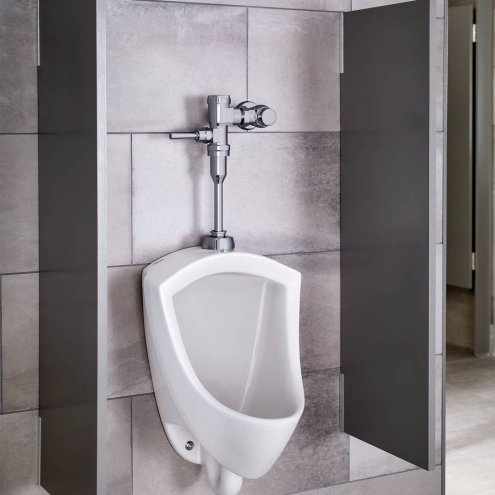
A row of broken urinals in a busy restroom invites customer complaints, health inspection problems, and high water bills. Waiting until something breaks could mean shutting down fixtures during peak hours. Trust Rooter recommends…
Read More