

954-707-6556
FREE ONSITE QUOTE!

4.9/ 5 Ratings based on 1698 reviews
GREAT SERVICE, GREAT REVIEWS!

Call This Thursday to Get
$35 OFF
of any service
954-707-6556
4.9/ 5 Ratings based on 1698 reviews
Call This Thursday to Get
of any service

 Jul 21,2026
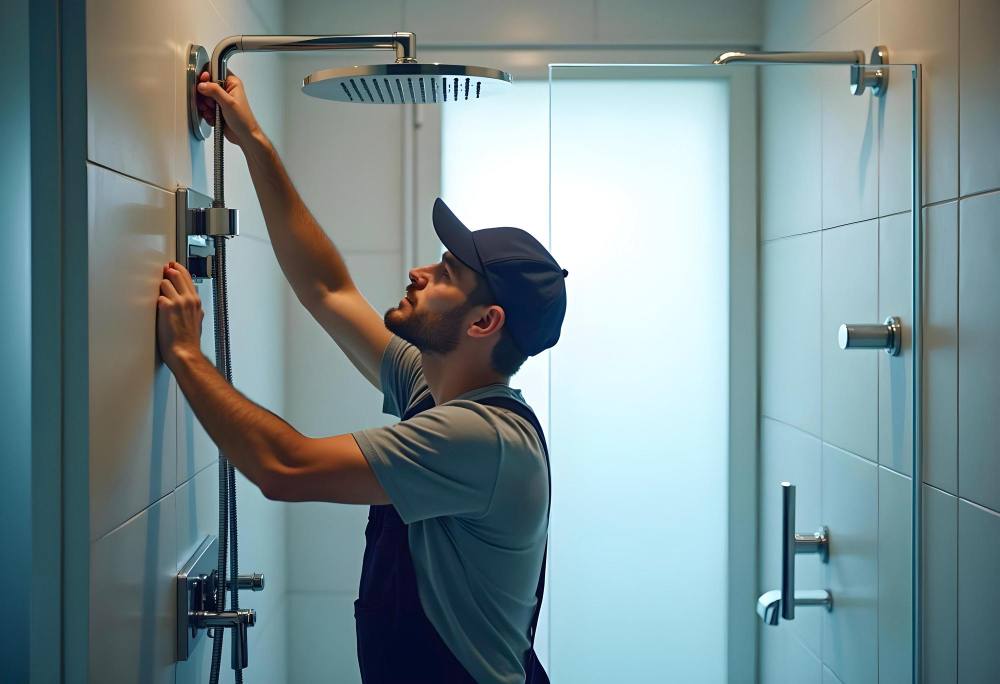
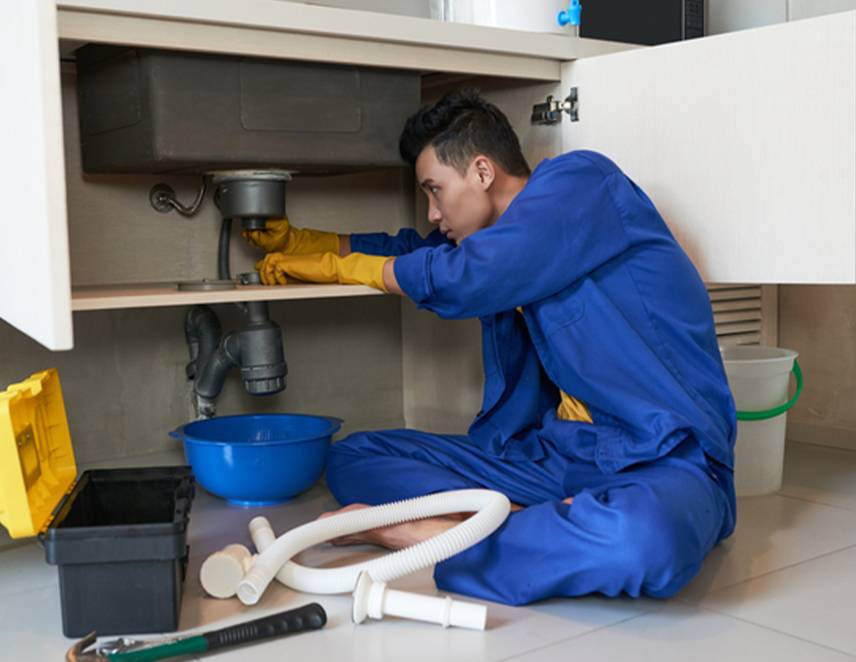
 Turning the shower handle and hearing nothing but silence ruins the whole morning. The handle spins, the water doesn't flow, and there's no obvious sign of where the problem is hiding. Trust Rooter can help. The culprit is usually one of a handful of common failures. Before booking a shower repair in West Palm Beach, FL or ripping into the wall, keep reading to find out the likely causes and how to fix each one.
Before you assume the worst, test the rest of the house. Turn on a bathroom sink, flush a toilet, and check the kitchen faucet. If nothing runs anywhere, the problem is at your main shutoff, your municipal supply, or your well pump. That's a whole-house issue, not a problem with the shower.
If water flows everywhere except the shower, look for a dedicated shutoff valve. Many bathrooms have an access panel behind the tub wall, in a nearby closet, or in the basement below the bathroom. Someone may have closed the valve during a recent repair and forgotten to reopen it. Give it a full counterclockwise turn and try the handle again.
Inside most single-handle showers is a cartridge that does the heavy lifting every time you turn the handle. It controls temperature, flow, and the on/off action. When the internal seals crack, or the plastic body splits, the handle keeps spinning, but nothing behind it moves. This is the number one reason a professional plumber in Fort Lauderdale gets called out for silent showers. You can spot a bad cartridge by a few clues:
Replacing a cartridge means shutting off the water, pulling the handle and trim plate, and sliding out the old unit. Moen, Delta, Kohler, and Pfister each use different cartridges. Swapping in the wrong one wastes an afternoon. A shower repair pro will bring the right part and pressure-test the new cartridge before leaving.
If you have a tub-shower combo, the diverter is the small lever or pull knob that sends water up to the showerhead instead of out the spout. When it fails, water may continue pouring from the tub spout, split weakly between the spout and showerhead, or fail to reach the showerhead at all. A diverter can jam from mineral buildup, a snapped internal spring, or a worn rubber seal that no longer seats against the port. There are two main diverter types in most homes:
A tub spout diverter is the cheaper fix. You unscrew the spout, buy an exact match, and thread the new one on with fresh plumber's tape. An in-wall diverter is a bigger job because it’s behind the tile and shares a body with the mixing valve. Getting to it usually means removing a trim plate and sometimes cutting into an access panel from the other side of the wall.
Hard water leaves calcium and magnesium deposits along the inside of your pipes and inside every fixture they touch. In a shower, sediment collects in the narrowest passages, like cartridge ports, showerhead nozzles, and small openings inside the diverter. If there’s enough buildup, the handle turns, but water can't squeeze through. Watch for these warning signs before the flow stops completely:
Soaking the showerhead in white vinegar overnight clears surface mineral deposits. Blockages deeper in the valve body need a plumbing repair service to disassemble the fixture, flush the lines, and sometimes replace corroded internal parts. Homes on well water or in hard-water regions see this problem far more than others. Installing a whole-house softener slows how fast it comes back.
Sometimes the handle is the whole problem. The set screw that locks it onto the cartridge stem can strip out. Once that happens, the handle rotates freely without moving anything inside. You'll notice the handle spins with almost no resistance, like turning a doorknob that isn't connected to a latch.
A quick test settles it. Pull off the decorative cap, loosen the set screw, and remove the handle. Grip the exposed cartridge stem with pliers and turn it. If water flows when you turn the stem, the handle or set screw is your culprit. If nothing happens, the problem is deeper.
Handles corrode from the inside out, especially in bathrooms with poor ventilation. Replacing one is inexpensive and takes about ten minutes with the right Allen wrench. Matching the finish and style is the harder part, and some older models have been discontinued, which forces a full trim kit swap.
Some shower problems reward DIY effort. Others punish it. Cutting into tile, soldering copper, or diagnosing a shared valve body without the right tools costs more in wasted parts and water damage than the original repair would have. A licensed plumber carries pressure gauges, cartridge pullers, and brand-specific replacement kits that turn a half-day guessing game into a one-hour fix. Call a professional when you see any of these:
If your shower handle turns but nothing comes out, call Trust Rooter today to schedule a shower repair with a qualified technician. We diagnose the exact failure, carry replacement parts on the truck, and back every plumbing repair service with clear pricing.
Trust Rooter is a professional plumbing company that has built a reputation for offering reliable residential and commercial plumbing services. From drain cleaning to water heater maintenance, garbage disposal repair, water leak repair, faucet repair, and sewer drain repair, Trust Rooter is your go-to plumbing company for all of your plumbing needs.
When South Florida gets hit with heavy rain, the effects aren't always limited to flooded streets and soggy yards. Saturated soil and already-high groundwater can put extra stress on underground plumbing, while damaged sewer…
 Read More
Does your home have a sewer smell that nobody can trace? A plumbing smoke test can quickly find where it starts. Trust Rooter is here to help. Sewer gas escapes through openings too…
Read More 
A row of broken urinals in a busy restroom invites customer complaints, health inspection problems, and high water bills. Waiting until something breaks could mean shutting down fixtures during peak hours. Trust Rooter recommends…
Read More