

954-707-6556
FREE ONSITE QUOTE!

4.9/ 5 Ratings based on 1698 reviews
GREAT SERVICE, GREAT REVIEWS!

Call This Thursday to Get
$35 OFF
of any service
954-707-6556
4.9/ 5 Ratings based on 1698 reviews
Call This Thursday to Get
of any service

 Jul 18,2026
 A warm spot with no obvious source is usually the first sign of a hot water line leaking somewhere under the slab. Once the puddle or the water bill catches up, the damage has been building for a long time. At Trust Rooter, our leak detection service in Coconut Creek starts with clues like this because catching a slab leak early is the only thing standing between a small repair and a full foundation project. Here's what a warm spot could mean and what to do next.
Your home's hot water lines run through or beneath the concrete slab, and when one of those copper or PEX lines develops a pinhole, hot water escapes into the surrounding soil and concrete. The concrete conducts that heat straight up to the tile above it. That's why the warm patch shows up in one specific area rather than across the whole floor. You're standing on top of a heated puddle wicking through the sub-slab material.
The leak might be smaller than the tip of a pen. Copper pipes corrode from the inside out when the water chemistry is acidic. A single weak spot can push out several gallons a day. The soil absorbs it, the slab wicks the heat, and your tile becomes the messenger. Here's what can happen while the leak grows:
A warm tile alone isn't proof, but if it’s paired with two or three other symptoms, the case gets stronger. The most reliable second signal is your water heater running more than it should. If the unit kicks on repeatedly when nobody's showering or washing dishes, hot water might be escaping. Check the meter with every fixture off. A spinning dial confirms there’s a leak.
You may also notice a musty smell near the warm area, damp carpet edges in a nearby room, or hairline cracks spidering across the tile. Mold spores thrive in the humidity a slab leak generates, and the smell sometimes shows up before you see anything. An experienced plumber will ask about these clues before they schedule a visit. Watch for these confirming details:
If your water bill jumps 30 or 40 percent from one month to the next and your habits haven't changed, water is leaving the system. A slab leak the size of a pencil lead could end up wasting as much as 5,000 gallons a month while you sleep. The utility company charges you for every drop, whether it reaches your faucet or dissolves into the dirt under your foundation.
Pull out your last six bills. A steep climb over two or three billing cycles usually points to a leak rather than a one-time spike from watering the lawn. Waiting six more months to see if it corrects itself can void some homeowner's insurance claims, since insurers argue you knew about the problem and let it worsen.
Twenty years ago, finding a slab leak meant guessing where to jackhammer. That's no longer how a professional plumbing repair service works. Modern equipment pinpoints the leak within a few inches. Electronic amplifiers pick up the sound of water escaping under pressure, thermal cameras map the heat signature radiating up through the tile, and tracer gas pushes helium through the drained line until sensors detect where it seeps out.
A trained technician runs these tools in sequence. Acoustic listening comes first because it's fast and non-invasive. Thermal imaging confirms the location by showing the warm zone as a bright cloud on the screen. If the readings conflict or the leak sits deep under a load-bearing area, tracer gas settles the question. Skipping diagnostics and cutting the slab blind costs homeowners in unnecessary demolition.
Once the leak's location is confirmed, you have three main paths forward. The right choice depends on the age of the pipes, the leak's position, and your budget. A spot repair cuts a small section of concrete, replaces the damaged pipe segment, and patches the slab. It's the cheapest option and works well for a first leak in an otherwise sound system. The trade-off is that if the pipe corrodes once, another section may fail within a few years.
Rerouting abandons the leaking line and runs a fresh pipe through the wall or attic to bypass the slab. No concrete gets broken, and the new line is accessible if anything goes wrong later. A full repipe replaces every supply line in the house, which makes sense when the plumbing is 40-plus years old or leaks keep multiplying. A qualified plumber will walk you through the cost difference and how long each option should last before you commit.
Ignoring a warm patch on your floor lets the leak eat away at the soil under your slab. Call Trust Rooter today to schedule a leak detection service appointment. We'll locate the leak, show you what's happening under the concrete, and give you clear repair options with honest pricing.
Trust Rooter is a professional plumbing company that has built a reputation for offering reliable residential and commercial plumbing services. From drain cleaning to water heater maintenance, garbage disposal repair, water leak repair, faucet repair, and sewer drain repair, Trust Rooter is your go-to plumbing company for all of your plumbing needs.
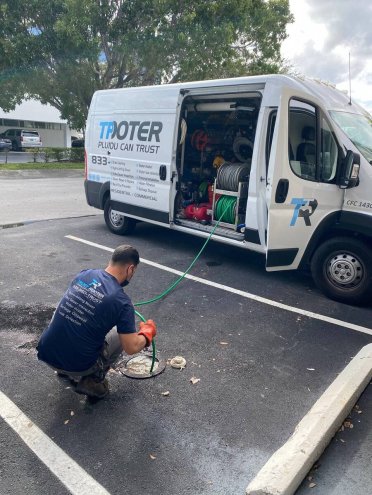
When South Florida gets hit with heavy rain, the effects aren't always limited to flooded streets and soggy yards. Saturated soil and already-high groundwater can put extra stress on underground plumbing, while damaged sewer…
 Read More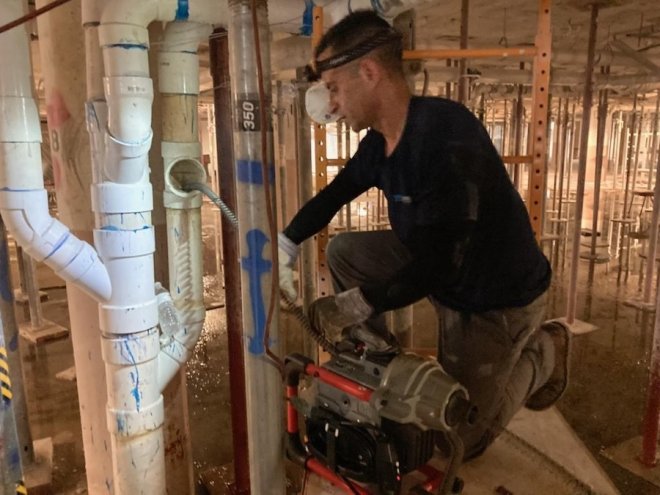
Does your home have a sewer smell that nobody can trace? A plumbing smoke test can quickly find where it starts. Trust Rooter is here to help. Sewer gas escapes through openings too…
Read More 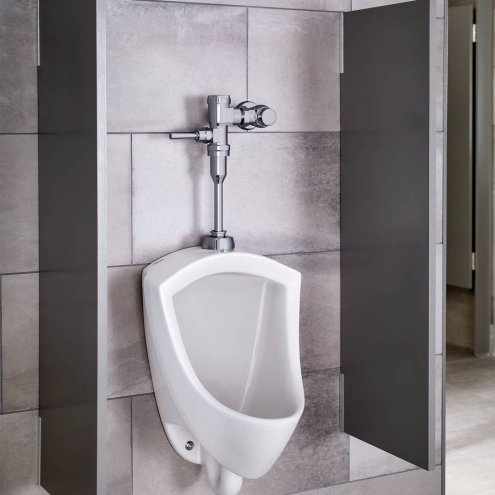
A row of broken urinals in a busy restroom invites customer complaints, health inspection problems, and high water bills. Waiting until something breaks could mean shutting down fixtures during peak hours. Trust Rooter recommends…
Read More