

954-707-6556
FREE ONSITE QUOTE!

4.9/ 5 Ratings based on 1698 reviews
GREAT SERVICE, GREAT REVIEWS!

Call This Thursday to Get
$35 OFF
of any service
954-707-6556
4.9/ 5 Ratings based on 1698 reviews
Call This Thursday to Get
of any service

 Jul 04,2026
 A burst pipe in January leaves a flooded yard, standing water in freezing temperatures, and a repair bill that can burst your budget. Trust Rooter can help. Plumbing repair service calls spike every winter because exposed pipes freeze when temperatures drop low enough. Outdoor spigots, hose bibs, and pipes running through unheated spaces like garages or crawl spaces are the most vulnerable, since they sit outside the insulation that protects the rest of a home's plumbing. A little preparation before the cold sets in costs much less than repiping. Keep reading to find out how to protect your outdoor pipes before the next freeze hits.
Outdoor spigots top the list every year. They connect to your home's water line but spend the entire winter exposed to wind, snow, and sub-freezing air with zero insulation around them. Hose bibs follow close behind for the same reason. The threading on these fixtures creates a place for water to pool, and any pool left overnight in a hard freeze turns into a blockage by morning.
Pipes running along exterior walls face a similar problem. Builders sometimes route plumbing through these walls because it's cheaper during construction, but exterior walls offer less insulation than interior framing. A pipe that sits two inches from siding can drop to outdoor temperatures fast, especially during a multi-day cold snap.
Garages and crawl spaces round out the danger zones. Neither area gets heated, and both areas can have pipes that supply washing machines, utility sinks, or water heaters. A professional plumber who checks these spaces in October will usually find at least one pipe with no insulation at all, just bare copper or PVC sitting in open air.
Once water inside the pipe drops below 32°F, ice crystals start forming along the interior walls first, since that's where the cold hits hardest. The blockage builds inward until water can no longer flow past it.
Water that’s trapped between the ice blockage and a closed faucet has nowhere to go. As more of the trapped water freezes, it expands by roughly 9%. Copper and PVC can't stretch to absorb the expansion, so the pipe wall splits open from the pressure that’s building on the inside.
The crack doesn't always show up right where the ice formed. Pressure travels through the pipe, so a split can happen several feet away from the original blockage. This is why a frozen section in a crawl space sometimes results in a burst pipe inside a wall on the other side of the house.
Shutting off outdoor water access takes ten minutes and prevents most cold-weather plumbing repair service calls. Follow these steps before the first hard freeze:
Homeowners without an interior shutoff valve should call a licensed plumber In Broward County to install one. Retrofitting a shutoff valve is a lot less expensive than dealing with a cracked spigot and a flooded wall cavity.
Foam pipe sleeves slide over exposed pipes and run about $1 to $3 per linear foot at most hardware stores. Measure the pipe diameter first, since sleeves come in sizes matched to standard pipe widths and a loose-fitting sleeve leaves gaps that let cold air through.
Garage doors that are left open during cold spells let outdoor air pour onto exposed plumbing. Closing the garage door during freezing nights dramatically reduces the interior temperature swing compared to leaving the door cracked open for ventilation. Crawl space vents should get the same attention. Foam vent covers block wind from reaching pipes tucked along the foundation.
A faucet that produces no water, or only a weak trickle, signals a frozen section somewhere in the line. Shut off the main water valve immediately. This step is important because a frozen pipe can crack without showing visible damage right away. A closed main valve limits flooding if the pipe bursts while you're thawing the line.
Apply a heating pad, electric heat tape, or a hair dryer set to low heat to the suspected frozen section. Start thawing closest to the faucet and work backward toward the blockage. This lets melted water drain out instead of building pressure against the ice. Never use a propane torch or any open flame on a pipe; PVC melts, and copper conducts heat fast enough to scald anyone holding the pipe.
Call a professional plumber if you can’t locate the frozen section, or if it sits behind a wall or under a slab where you can't reach it. Attempting to chip through drywall or concrete to access a frozen pipe could cause more damage than the freeze.
A slow drip from an exposed faucet relieves pressure buildup inside the pipe during a hard freeze. Moving water resists freezing better than standing water, and a drip keeps just enough flow to slow ice formation along the pipe walls. This works best on pipes that run along exterior walls or through unheated spaces where temperature swings the most.
Dripping accomplishes nothing on a pipe that's already insulated and routed through conditioned interior space. Wasting water on a fixture with zero freeze risk just adds unnecessary cost to a water bill without preventing anything.
The technique also fails once a blockage has already formed. A drip can't push past ice that's already sealed off the line, so this method only works as prevention, not as a fix after the fact.
Don't wait for a cracked pipe to find out your plumbing wasn't ready for winter. Trust Rooter will send licensed technicians to inspect, insulate, and prep your outdoor pipes before the next freeze. We can also provide emergency repiping if a burst has already occurred. Call today to schedule your visit. We choose quality materials, work fast, and stand behind every repair we make.
Trust Rooter is a professional plumbing company that has built a reputation for offering reliable residential and commercial plumbing services. From drain cleaning to water heater maintenance, garbage disposal repair, water leak repair, faucet repair, and sewer drain repair, Trust Rooter is your go-to plumbing company for all of your plumbing needs.
When South Florida gets hit with heavy rain, the effects aren't always limited to flooded streets and soggy yards. Saturated soil and already-high groundwater can put extra stress on underground plumbing, while damaged sewer…
 Read More
Does your home have a sewer smell that nobody can trace? A plumbing smoke test can quickly find where it starts. Trust Rooter is here to help. Sewer gas escapes through openings too…
Read More 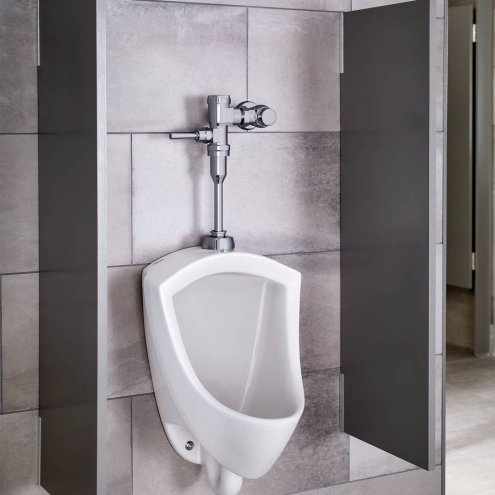
A row of broken urinals in a busy restroom invites customer complaints, health inspection problems, and high water bills. Waiting until something breaks could mean shutting down fixtures during peak hours. Trust Rooter recommends…
Read More